Why sustainable luxury in Israel is moving beyond one desert icon
Couples searching for a sustainable luxury hotel in Israel often meet the same name first. Six Senses Shaharut dominates the conversation about the Negev Desert, yet a quieter group of small operators now shapes how the hospitality industry here thinks about energy, water and waste. For travelers who care about climate change and real impact, the question is no longer only which high-end retreat looks best in the desert landscape, but which hotel in Israel can show credible numbers on energy consumption, food waste and community benefit.
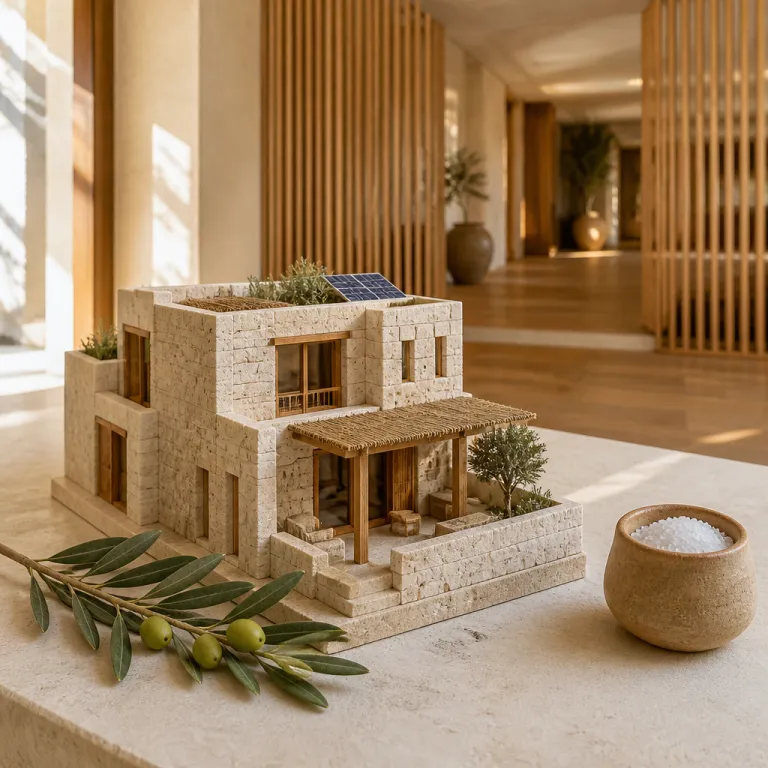
Across Israel, from the Arava valley to the Golan Heights, independent hoteliers are building a different model of eco friendly comfort. They use green building principles, integrate solar energy and design low rise properties that sit gently in the land rather than dominate it, which changes how your senses register the Middle Eastern light, wind and silence. This is sustainable luxury hospitality Israel style at its best, rooted in the local climate and culture rather than imported from Dubai, east Africa or the United Kingdom as a generic template.
Pereh Mountain Resort in the northern hills and Beresheet Hotel above the Ramon crater show how thoughtful design can frame both valley and desert views. These properties work with local artisans, invest in energy efficient systems and treat water as a scarce resource, so every shower and every pool carries a story about eco responsibility rather than excess. When you compare these small scale projects with a large city tower in Tel Aviv or an aviv hotel on a busy boulevard, you start to see why sustainable practices at intimate scale often feel more honest and measurable.
Desert Days, Khan Be'erotayim and the off grid Negev formats
Head south into the Negev Desert and the conversation about a sustainable luxury hotel in Israel becomes more elemental. Here, Desert Days Eco lodge and places like Khan Be'erotayim operate almost off grid, using solar energy, natural ventilation and simple desert design to keep energy consumption low while still offering romance and comfort. You sleep under a sky that stretches from Israel to Saudi Arabia and the Red Sea, yet your footprint on this fragile desert landscape stays surprisingly light.
These lodges prove that eco friendly does not mean roughing it, especially for couples who value silence and starlight as much as a marble bathroom. Many cabins are built from local materials that blend into the sand and rock, with green building details such as thick walls, shaded terraces and carefully oriented windows that reduce the need for artificial energy. In this part of the Middle East, where every drop of water matters, greywater systems and low flow fixtures are not marketing lines but survival tools that define what a serious hotel in Israel must do.
If you are mapping options around Mitzpe Ramon and beyond, a detailed Negev Desert lodge guide helps you compare how each property handles solar power, food sourcing and waste. One useful resource is a dedicated Negev desert lodge map with clear sustainability notes that breaks down what each address actually offers couples. When you read that some operators compost food waste, limit artificial lighting and design paths to protect fragile dunes, you understand why small desert hotels can sometimes out perform a famous luxury resort on real eco metrics.
From Six Senses Shaharut to Israel Senses: what sustainability means at scale
Six Senses Shaharut deserves its reputation as the flagship sustainable luxury hotel in Israel, especially for couples drawn to dramatic desert cliffs and polished service. The resort uses solar energy, local stone and low rise architecture to echo the Negev Desert landscape, while the brand wide Israel senses philosophy encourages guests to engage all five senses in a slower, more mindful way. For many travelers, this is their first encounter with a Middle East property that talks openly about energy consumption, food waste and sustainable practices.
Yet scale changes everything, even when the intentions are green and the design is thoughtful. A large luxury hotel with multiple pools, extensive food outlets and a full spa will always consume more energy and water than a small eco friendly lodge, no matter how many solar panels or eco certifications it holds. That is why some couples now look beyond the headline resort and ask how smaller Israel senses style properties, from the Golan valley to the Carmel ridge, measure their impact in hard data rather than soft language.
In Tel Aviv, the conversation is shifting as well, where heritage projects show how a dense city can host a sustainable luxury hotel in Israel without building new towers. A good example is the transformation of several historic buildings into a single high end property, explained in depth in this analysis of how five culturally significant buildings became a 140 key hotel. Reusing existing structures cuts embodied energy, preserves urban fabric and proves that in a coastal city obsessed with glass and steel, adaptive reuse can be the most radical green building move of all.
Carmel kibbutz reinventions, farm stays and the metrics that matter
North of Tel Aviv, the Carmel region offers a different answer to the sustainable luxury hotel in Israel question. Former kibbutz guesthouses have evolved into refined farm stay style retreats, where couples sleep in contemporary suites while looking out over vineyards, orchards and forested slopes. Here, luxury is measured less in marble and chrome and more in how the hotel Israel team manages water, soil and food systems on land that has been farmed for generations.
Many of these properties integrate organic gardens, on site composting and menus that cut food waste by planning around seasonal harvests rather than imported trends from Dubai or east Africa. They may not shout about eco credentials as loudly as a global luxury hotel brand, yet their daily routines often reduce energy consumption more effectively, from line dried linens to shaded paths that cool the air naturally. When you walk from your room through rows of herbs and vegetables that will appear on your plate that evening, the link between food, land and climate change becomes tangible rather than theoretical.
For couples comparing options, the key is to ask precise questions at booking rather than accept vague green promises. What percentage of the property’s energy comes from solar, how is greywater reused, and how is food waste tracked and reduced across breakfast buffets and events? One verified answer from operators working in this space is clear: "They use local materials, energy-efficient designs, and water conservation techniques." To make those questions easier, focus on a few core metrics when you look at named properties:
- Six Senses Shaharut – publishes an annual sustainability report that details energy, water and waste performance; a significant share of its electricity demand is met by on site solar arrays, with the remainder from the national grid; greywater is treated and reused for irrigation across the desert landscaping; food waste is weighed in the kitchens and a documented portion is diverted from landfill through composting and donations; the resort holds third party certifications for environmental management (see the Six Senses sustainability report for current figures).
- Pereh Mountain Resort – a smaller Golan property that reports using rooftop solar alongside high efficiency heating and cooling systems; rainwater and greywater are channelled into irrigation for orchards and gardens; kitchen teams track buffet leftovers and use a simple composting system to return organic matter to the soil; available property level data focuses on transparent, site specific practices rather than global branding, so guests can request up to date numbers directly from the hotel.
- Desert Days Eco lodge – operates on a largely off grid model in the Negev, with most electricity generated by solar panels and backed by low demand fixtures; cabins rely on natural ventilation and passive shading to cut cooling loads; greywater is filtered through planted beds before reuse; food scraps are composted on site, and lighting is deliberately minimal to protect dark skies and wildlife; these practices are described in the lodge’s own sustainability notes and guest information materials.
When small property sustainability beats big brand certification
The most interesting shift in the sustainable luxury hotel in Israel story is happening below the radar of major brands. Small properties like Pereh Mountain Resort in the Golan and Desert Days in the south run lean operations where every kilowatt of energy and every litre of water is visible to the owners, not buried in a corporate report. That intimacy often leads to sharper sustainable practices, from carefully timed solar energy use to strict controls on air conditioning in shoulder seasons.
In cities, a similar pattern appears, where a modest aviv hotel or a restored stone house in Jerusalem can sometimes out perform a glass tower on real world impact. If you want suite style comfort in the capital while staying close to public transport and food markets, a curated guide to suite style stays in the Jerusalem city center helps you weigh location, design and sustainability together. Choosing a walkable city base cuts car use, supports local Arab and Jewish owned cafés and reduces the hidden energy cost of long transfers from remote resorts.
Looking across the Middle East, from Dubai to the Red Sea coast and on to east Africa, you will find many properties using palm lined imagery and eco language without always backing it up with transparent data. Israel sits in this same regional tension, balancing tourism growth with a fragile desert landscape and limited water. For couples, the most powerful act is to ask informed questions, reward hotels that publish clear metrics and treat sustainability not as a marketing story but as a daily operational discipline.
FAQ
What makes a sustainable luxury hotel in Israel genuinely eco friendly ?
A genuinely eco friendly luxury hotel in Israel combines green building design, efficient energy systems and serious water management. Look for properties that use solar energy, local materials and low flow fixtures, and that publish information about energy consumption and food waste reduction. When a hotel also supports nearby communities and protects the surrounding desert landscape or valley ecosystem, you know the sustainability story runs deeper than branding.
Are sustainable luxury hotels in the Negev Desert suitable for couples seeking comfort ?
Many Negev Desert lodges balance off grid systems with high comfort, making them ideal for couples. You can expect good beds, thoughtful design and carefully prepared food, even when the property relies heavily on solar power and natural ventilation. The atmosphere is usually quieter and more intimate than in a large resort, with the desert night sky and silence becoming part of the luxury.
How can I check the sustainable practices of a hotel before booking ?
Before you book, ask the hotel specific questions about solar energy use, water conservation and how they handle food waste. Serious operators will explain their systems clearly, from greywater reuse to partnerships with local suppliers and environmental organizations. You can also compare properties using independent guides that highlight eco friendly features and on the ground performance rather than just certifications.
Are sustainable luxury hotels in Israel more expensive than conventional options ?
Prices vary, but sustainable luxury hotels in Israel often sit in the same range as other high end properties in similar locations. Some off grid desert lodges may cost less than large branded resorts, while design driven city hotels with strong eco credentials can be at the upper end. The key is to weigh what you receive in terms of experience, impact and authenticity, not only the nightly rate.
Can families stay at these sustainable luxury properties or are they only for couples ?
Many sustainable luxury hotels in Israel welcome both couples and families, offering flexible room types and activities. Desert lodges, farm stays and mountain resorts often provide outdoor experiences that work well for children, such as guided walks and garden visits. If you are traveling as a couple and prefer a quieter atmosphere, choose adults oriented wings or smaller properties that limit group bookings.