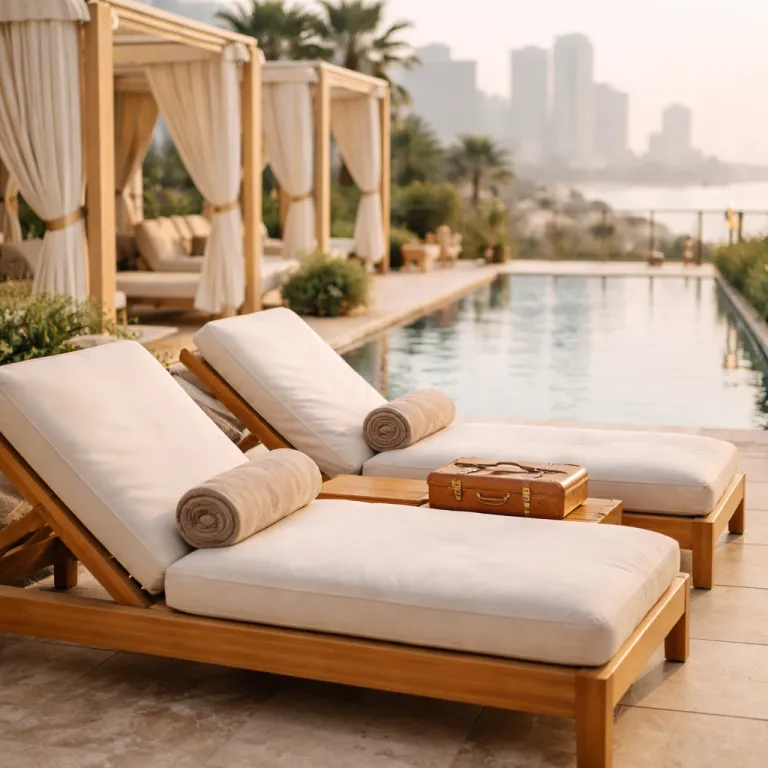
Israel tourism rebound 2026 and the new solo luxury map
Israel’s tourism rebound in 2026 is no longer a forecast but a lived reality for many travelers. January alone brought an estimated 124,700 visitors to the country, according to preliminary Israel Ministry of Tourism monitoring shared in early 2026, a sharp signal that inbound demand is climbing back toward pre-conflict rhythms and reshaping how luxury rooms are being allocated. By October, internal industry scenarios circulated among hotel groups and airline partners point to a more conservative baseline of around 60,000 monthly visitors while airlines rebuild capacity, suggesting that the tourism sector will keep tightening prime inventory in every major city even under cautious projections.
The Israel Ministry of Tourism and the wider government tourism ecosystem are leaning hard on airline partnerships and digital campaigns to fill premium hotels efficiently. Their tools range from AI-driven personalization to expanded flights to Israel on El Al and major international carriers, and recent press briefings from both the ministry and El Al Airlines describe coordinated efforts to steer modern travelers toward key hubs such as Tel Aviv and Jerusalem. Official guidance now repeats that “Is Israel safe for tourists in 2026? Yes, with improved security measures,” while also emphasizing routine security coordination with airport, hotel and tour operators and referencing updated advisories on the ministry’s public information channels.
For solo travelers tracking the 2026 recovery, the headline is simple yet nuanced. In the last full year of stable operations before the recent conflict, roughly 1.3 million visitors were surveyed by the ministry and leading hotel groups through post-stay questionnaires and airport exit polls, and about 88 percent reported high satisfaction, but that average hides sharp contrasts between coastal getaways, desert retreats and holy city stays. One solo guest from London described Tel Aviv as “effortless to navigate, with hotel staff who understood remote work needs,” while another traveler who split time between Jerusalem and the Negev highlighted the contrast between “crowded holy sites by day and absolute silence under the desert stars.” The savviest guests will use this rebound narrative, together with updated ministry dashboards and airline route announcements, to time bookings, select tours and tour packages carefully, and secure design-forward hotels before new hotel openings and additional room supply announcements push rates higher.
Tel Aviv, Jerusalem and the holy city pull for solo guests
Tel Aviv is still Israel’s largest magnet for independent visitors, and current recovery trends show that solo travelers are leading the return to its beaches and nightlife. Around the Tel Aviv seafront, coastal getaways with an infinity pool and rooftop bars are filling fastest, especially in properties that speak directly to modern travelers who value walkable neighborhoods and late check-out flexibility. Recent booking data shared by several central Tel Aviv hotels indicates that single-occupancy rooms with sea views in core districts can sell out weeks earlier than in previous seasons, particularly in boutique hotels that blend beach access with strong Wi-Fi and quiet work corners for guests who combine leisure with remote work.
Jerusalem tells a different story, with faith-based tourism and diaspora community visits driving demand near the Old City and other holy sites. Many travelers who visit Israel for pilgrim-style tours are extending their stays in luxury hotels that balance quiet courtyards with spa facilities, and they often combine guided tour days with independent exploration of neighborhoods such as the German Colony and Ein Karem. One recent visitor described waking up to church bells near Jaffa Gate, spending the afternoon in the Israel Museum sculpture garden, and then returning to a small hotel with a shaded courtyard and hammam. For a curated overview of refined addresses around the Old City walls, our detailed guide to the nicest hotels in Jerusalem for a refined stay offers a practical starting point for comparing rooms, service levels and proximity to key gates and viewpoints.
Across both cities, the ongoing tourism rebound is tightening booking windows for premium hotels that cater well to solo guests. Fattal Hotels, for example, has announced plans in its 2025–2026 development pipeline to add eight properties and more than 1,000 rooms across Israel, and these hotel openings are heavily weighted toward urban locations where single travelers can walk to cafés, galleries and light-rail stops. Company statements emphasize mixed-use projects with flexible room categories and shared social spaces, and as this network of contemporary hotels continues to expand, expect more design-forward lobbies, co-working corners and bar counters that make it easy to fill an evening without joining formal tours or large group excursions.
From Negev retreats to Caesarea: where the rebound feels real
Outside the big-city axis, the 2026 tourism recovery is most visible in the Negev and along the Mediterranean corridor between Haifa and Tel Aviv. New luxury hotel openings in the desert are offering low-slung suites, private plunge pools and guided tours that move from sunrise hikes to stargazing, and these hotels are especially attractive to solo travelers seeking space rather than crowds. Several properties have cited Israel Ministry of Tourism incentive programs and airline partnerships in their press releases and investor updates, and many now work closely with local operators to bundle flights to Israel, transfers and curated tour experiences into one seamless booking that feels more like a hosted journey than a rigid package.
Along the coast, coastal getaways in Caesarea and nearby towns are quietly becoming some of Israel’s most strategic bases for independent travelers. Our in-depth guide to refined Caesarea hotels between Haifa and Tel Aviv explains how to use this stretch as a calm hub, with easy rail access to Tel Aviv and Jerusalem while you sleep beside the sea. These hotels often feature an infinity pool, compact gyms and generous work-friendly rooms, which means solo guests can fill their days with flexible tours, day trips to Haifa or Zichron Ya’akov, or simply stay put and enjoy the property and its landscaped grounds, moving between the beach, the spa and quiet reading corners without feeling rushed.
Rate behavior across these regions shows where the tourism rebound narrative is slightly overhyped and where it is justified. In some Negev retreats and coastal hotels, single-occupancy supplements remain modest, while in central Tel Aviv and Jerusalem they are expected to spike quickly as visitor numbers climb and airlines add capacity on key routes. For those planning to visit Israel soon, the smartest move is to lock in cancellable rates at design-forward properties now, then refine the itinerary later using trusted resources such as our guide to choosing the ideal beachfront hotel in Tel Aviv for a refined Mediterranean stay and our main booking tools and destination overviews, which together help fill every remaining gap in the trip plan and confirm details with confidence.