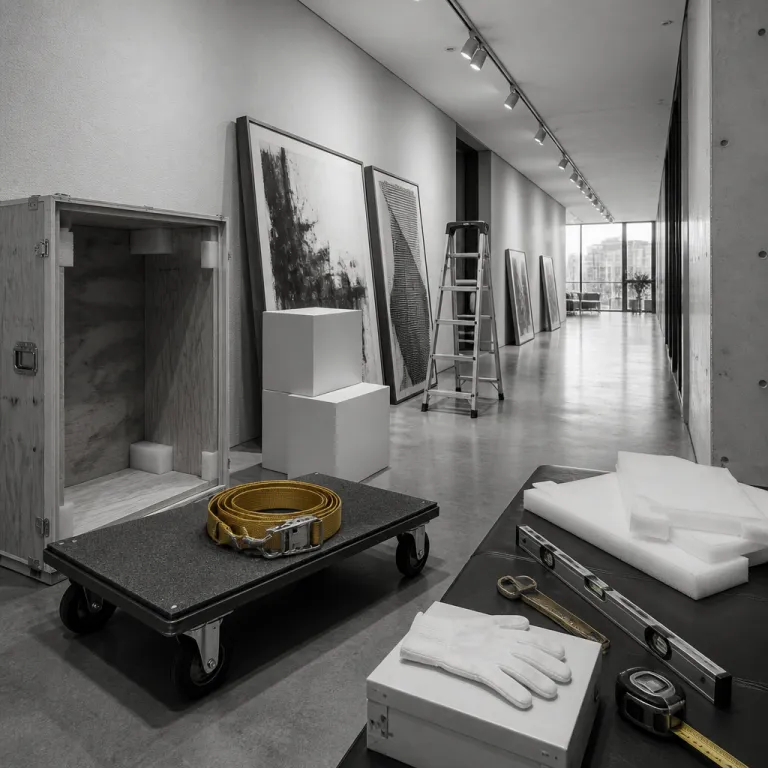
Nobu Hotel Tel Aviv: An art-led gallery hotel on Rothschild Boulevard
Nobu Hotel Tel Aviv presents itself as an art-led gallery hotel on Rothschild Boulevard, using its architecture and interiors to frame contemporary creativity as much as city views.
The corner of Rothschild and Ahad Ha'am as a stage for art
Nobu Hotel Tel Aviv occupies a sharp corner where Rothschild Boulevard meets Ahad Ha'am Street, and the architecture leans into that urban drama. The building, renovated from existing structures that once held modest offices and small city businesses, now frames a vertical gallery that treats the street as its front row. From the outside, the hotel façade keeps a restrained profile, while the lobby glows like a light box for art in the heart of the White City, with floor-to-ceiling glass that works almost like a street-facing display case.
Step through the doors and the first view is not the reception desk, but the gallery wall that anchors the lobby and sets the tone for the stay. Nobu Hospitality deliberately positioned this space as an amenity, not a backdrop, using architectural design and interior decoration to pull the eye from the street into the center of the room. The hotel is located close to the junction of 55 Rothschild Boulevard and 66 Ahad Ha'am Street, which means guests are walking distance from some of Tel Aviv’s most interesting galleries, the beach and the main business district, yet the most curated work may be hanging just above the check-in area.
The corner site lets the gallery face both Rothschild Boulevard and the quieter Ahad Ha'am side street, so the art speaks to two different city rhythms. Couples arriving from Ben Gurion Airport after a long flight from the United States will notice how the lobby absorbs the boulevard’s energy while still feeling intimate. For travelers used to large chain properties or a Crowne Plaza style tower, the scale here is deliberately human, with a limited number of rooms wrapped around a garden, rooftop and pool that keep the focus on people, not spectacle, and on art rather than sheer size.
Gallery programming and how public it really feels
The changing gallery program in the lobby is the real test of whether this is a true gallery hotel or just a stylish Tel Aviv hotel with nice walls. Curators and the hotel’s creative team work with local artists so that exhibitions rotate regularly rather than becoming permanent décor, and the cadence is designed to reward repeat guests who return to Tel Aviv every few months. Recent shows have highlighted emerging Israeli painters and mixed-media work, with pieces available for purchase through the concierge or front desk rather than through a separate commercial gallery.
Because the lobby is open to the street, the gallery effectively feels public during the day, which matters in a city where art often hides behind intercom buzzers. Hotel staff explain that the goal is to attract art enthusiasts and enhance the guest experience through art, and that ambition shows in the way details are handled. Works are lit as they would be in independent galleries in Jaffa or the center of the city, with labels, curatorial texts and a clear narrative rather than random decoration. Public access is encouraged; you can walk in off Rothschild Boulevard for a coffee, study the pieces, and only then decide whether this Nobu hotel is the right base for your stay in Israel.
For couples comparing this property with a luxury hotel near Jerusalem’s western entrance, such as a more practical base described in this elegant guide to a city gateway hotel, the question is whether the art feels like integrated programming or window dressing. Here, the answer leans toward integration, because the gallery shapes how guests move through the space and how they use the lobby as a social center. It is not the hushed, transactional lobby of many business hotels; it is closer to a small museum foyer where conversations about the next exhibition feel as natural as asking about late checkout in July.
Rooms, views and how close you sleep to the art
With a boutique-scale room count, Nobu Hotel Tel Aviv can afford to be precise about how each room relates to the gallery and the city outside. Some rooms look directly onto Rothschild Boulevard, giving guests a view of the plane trees, Bauhaus balconies and the constant flow of bicycles and scooters that define Tel Aviv life. Other rooms face the inner garden or rooftop area, trading spectacle for quiet and giving couples a more private frame for their stay, especially at night when the boulevard’s lights soften into a distant glow.
Room categories subtly reflect how much art access you want from your bed versus from the public areas. Entry level rooms keep the focus on calm textures and Nobu’s signature Japanese-influenced minimalism, while higher categories may include curated works that echo the lobby exhibition without turning the room into a satellite gallery. Every room includes features complimentary to longer stays, such as strong Wi-Fi, thoughtful lighting and storage that suits both leisure guests and those who might need a corner that doubles as a business center desk, with enough space for a laptop and travel documents.
For travelers who usually book larger star hotels in Israel, or who know the feel of a Crowne Plaza corridor, the scale here will feel more intimate and more deliberate. Couples who split their trip between Tel Aviv and Jerusalem might pair this with a stay at a refined property near the Old City, such as the one reviewed in this elegant base near the Old City. In that kind of itinerary, Nobu Hotel Tel Aviv becomes the design-forward city chapter, where the room is not just a place to sleep but a front row seat to the boulevard’s changing light and the lobby’s evolving art.
The Nobu restaurant, daily rhythm and couples pacing
The Nobu restaurant is the second anchor of the property, and it shapes the hotel’s rhythm as much as the gallery does. Nobu Hotels around the world are built on the idea that the restaurant is not just an amenity but a destination, and Tel Aviv follows that script while adapting to local tastes. Here, the dining room pulls in city residents as strongly as it serves in-house guests, which keeps the energy high from lunch through late night and turns the hotel into a recognizable culinary address on Rothschild Boulevard.
For couples, the ideal stay often revolves around two openings and a long lunch; an exhibition opening in the lobby gallery, a dinner reservation at Nobu, and a slow midday meal that stretches into the afternoon. The restaurant’s design continues the art-led brief, with clean lines, warm wood and lighting that flatters both plates and people, so the space feels like an extension of the gallery rather than a separate world. This is where the hotel offers a clear brand premium, because the Nobu name carries culinary authority that many local hotels, even polished luxury hotel addresses, cannot match, especially for guests who already know the brand from New York, London or Tokyo.
The question is whether the restaurant overwhelms the rest of the hotel or integrates into a coherent stay. In practice, the balance works because the number of rooms is small, so guests never feel pushed aside by outside diners, and service teams can maintain a personal connection. Couples can start the day with a quiet breakfast, spend late morning walking to the beach or down to Jaffa, then return for a complimentary tea in the lobby while watching the city slide past the glass before dressing for dinner, using the gallery wall as a changing backdrop to each day.
Where Nobu Tel Aviv earns its premium in the Israeli landscape
Nobu Hotel Tel Aviv sits in a crowded field of luxury hotels in Israel, from beachfront towers to restored stone properties in Jaffa. What sets it apart is the way Nobu Hospitality, co-founded by Nobu Matsuhisa, Robert De Niro, and Meir Teper, treats art as a core amenity rather than a decorative afterthought. The renovation of existing buildings into a boutique-scale property with a garden, rooftop, pool, fitness center and Nobu restaurant shows a commitment to scale and detail that feels aligned with the brand’s global standards and with Tel Aviv’s creative energy.
In a market where many hotels trade on sea views and proximity to the beach, this Tel Aviv hotel trades on its position in the cultural center of the city and its gallery program. Couples who care more about walking Rothschild Boulevard at night, slipping into small wine bars and visiting nearby galleries will find that being located in the middle of this axis matters more than a direct sea view. The fitness center and other facilities are there, but the real wellness here comes from feeling plugged into the creative life of Tel Aviv rather than isolated in a resort bubble, with the lobby acting as a bridge between the hotel and the surrounding neighborhood.
For travelers planning a longer itinerary across Israel, Nobu Hotel Tel Aviv can pair well with a Red Sea escape at a property like the one profiled in this standout Red Sea luxury escape. That combination lets you experience both the art-led intensity of the city and the slower, water-focused rhythm of Eilat. In that context, Nobu Tel Aviv earns its premium not just through brand recognition or the presence of a business center, but through a clear, art-driven identity that feels specific to this corner of Rothschild and Ahad Ha'am.
How the brand story and global context shape your stay
Understanding Nobu Hotel Tel Aviv also means understanding the wider Nobu Hotels story and how it lands in this city. Nobu Hospitality grew from a single restaurant into a collection of hotels that blend Japanese-influenced design with local context, and Tel Aviv is one of the brand’s most art-focused expressions. International partners were involved in bringing the project to Israel, adding another global layer to a property that already connects Tokyo, New York and the Mediterranean through a shared design language.
For guests arriving from the United States or Europe, there is comfort in the familiar Nobu signatures, from the menu to the room styling, but the Tel Aviv version is less about generic luxury and more about cultural immersion. The hotel offers a fitness center, rooftop pool and outdoor spaces that match what you would expect from other star hotels, yet the lobby gallery and Rothschild Boulevard address keep pulling you back into the local scene. That tension between global brand and local specificity is where the property either justifies its rate or feels like it is trading on its name, and here the balance leans toward substance.
In practice, Nobu Hotel Tel Aviv mostly earns the premium, because the art programming, scale and location align with what discerning couples want from a city stay. The property integrates complimentary touches, from welcome drinks to thoughtful in-room amenities, that soften the edge of a design-forward space. For travelers who care as much about the narrative of a hotel as its thread count, this corner of Rothschild becomes less a place to pass through and more a chapter in how Tel Aviv tells its own story through architecture, food and art, with the lobby gallery acting as a visual diary of the city’s changing creative scene.
FAQ
Where is Nobu Hotel Tel Aviv located ?
Nobu Hotel Tel Aviv is located at the corner of 55 Rothschild Boulevard and 66 Ahad Ha'am Street, in the central area of Tel Aviv. This puts the hotel within walking distance of many galleries, restaurants and the main business center of the city, as well as a short stroll from the seafront promenade.
What amenities does Nobu Hotel Tel Aviv offer ?
The hotel offers a boutique number of rooms, a garden, fitness center, pool, outdoor spaces, rooftop, and a Nobu restaurant. These facilities are designed to support both leisure stays and business trips, with spaces that feel intimate rather than oversized and public areas that double as informal meeting spots.
Who owns and operates Nobu Hotel Tel Aviv ?
Nobu Hotel Tel Aviv is part of Nobu Hospitality, which was co-founded by Nobu Matsuhisa, Robert De Niro, and Meir Teper. The Tel Aviv property follows the group’s approach to art-led hospitality and brings the brand’s design language to a central Rothschild Boulevard address.
Is the lobby gallery open to non guests ?
The lobby gallery is designed as a semi-public space, and non guests can usually enter during the day to see the current exhibition while using the café or bar. This approach supports the hotel’s goal of integrating art into the wider cultural life of Tel Aviv rather than keeping it only for overnight guests, and it turns the property into a recognizable gallery hotel on Rothschild Boulevard.
How many rooms does Nobu Hotel Tel Aviv have and what is the atmosphere like ?
Nobu Hotel Tel Aviv has a small number of rooms compared with larger city hotels, which creates an intimate atmosphere. The design combines Japanese-influenced minimalism with local materials, and the overall feel is calm, art focused and well suited to couples seeking a refined urban stay in the heart of Tel Aviv.