Why a Bauhaus hotel in Tel Aviv feels different when architecture leads
Choosing a Bauhaus hotel in Tel Aviv is less about décor and more about how the building choreographs your day. In a city where more than 4,000 Bauhaus and International Style buildings define the White City skyline, the difference between marketing and meaningful modernist architecture becomes obvious the moment you step into a lobby and feel the proportions. UNESCO notes that this ensemble, developed from the 1930s onward, forms one of the world’s largest concentrations of modernist buildings, so when you search for places Bauhaus enthusiasts rave about, focus on how the room volumes, staircases and hotel garden spaces actually reflect the Bauhaus building logic rather than just a white paint job.
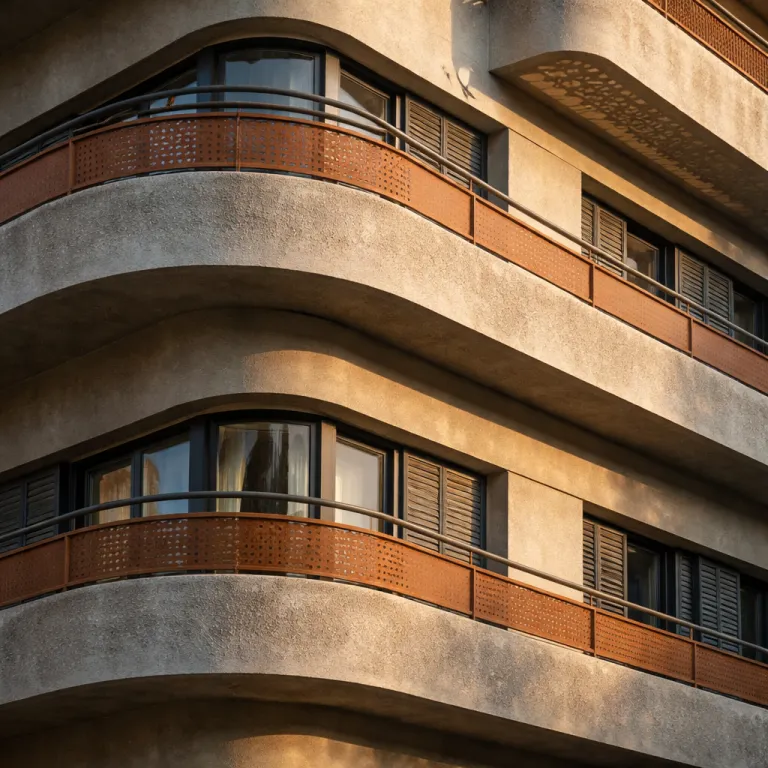
Tel Aviv is compact enough that the right hotel in the city center grid lets you walk almost everywhere, yet each neighborhood feels like a different chapter of Tel Aviv, Israel. Staying in a true Bauhaus-era property means waking up inside the story of the city itself, not just looking at a modernist façade from the pavement. When you read reviews or scan a photo gallery, look for images that show the full façade, balcony depth and original window frames, because these details reveal whether the Bauhaus heritage is structural or simply a style reference.
The best addresses Bauhaus purists respect tend to sit inside the official Bauhaus center of gravity between Rothschild Boulevard, Dizengoff and the sea. Here the White City nickname is literal, with white curtains filtering Mediterranean light across curved balconies and flat roofs. A serious Bauhaus hotel in Tel Aviv will often reference the nearby Bauhaus Center museum in its concierge suggestions, encouraging guests to walk the streets as an open air gallery of apartments, stair towers and corner terraces. Since 2003, when UNESCO inscribed the White City of Tel Aviv as a World Heritage Site for its outstanding modernist urban ensemble, this district has become a living classroom for architecture focused travelers.
The Norman Tel Aviv and the craft of restoring Bauhaus proportions
The Norman Tel Aviv is a clear example of how a luxury hotel can inhabit two adjacent historic buildings without losing their original rhythm. The property occupies a pair of 1920s and 1930s structures near Rothschild Boulevard, where a multi year restoration completed in 2014 respected key elements of Bauhaus and Eclectic architecture, from the stairwell geometry to the courtyard ratios. The address at 23–25 Nachmani Street places you within a short walk of Rothschild’s tree lined boulevard, and when you reserve a room here, you are not just booking a stay in Tel Aviv, Israel, you are stepping into a carefully edited chapter of the White City story.
Step into a typical room and you feel the mid century and contemporary dialogue immediately, with high ceilings, long windows and restrained furniture that never fights the shell. The design language nods to Studio Liaigre more than to nostalgic retro, using pale woods, linen and those signature white curtains to soften the strong horizontal lines of the restored building. Public spaces open onto a hotel garden and roof terrace where the view stretches across the Tel Aviv skyline, reminding guests that this is still a working financial and cultural center rather than a frozen museum.
What makes The Norman stand apart from many properties “Bauhaus” in name only is its obsession with corridor width, door height and light wells, the quiet details that shape how you walk through the building. Photography by names such as Amit Geron has helped cement its reputation, with each image capturing how the white exterior folds into warm interior volumes. For travelers already considering an elegant heritage stay in Jerusalem, the same respect for context appears in properties like the Orient Jerusalem by Isrotel Exclusive, which we review in depth in our guide to a landmark luxury stay in Jerusalem, offering a useful counterpoint to Tel Aviv’s modernist clarity.
Pre Bauhaus grande dames: Hotel Montefiore, Nordoy and the city’s earlier layers
Not every characterful hotel in Tel Aviv sits inside a strict Bauhaus building, and understanding that contrast will sharpen your eye. Hotel Montefiore and the Nordoy stand as pre Bauhaus survivors, with more ornamental façades and taller proportions that hint at an earlier chapter of Israel’s hospitality story. Staying in these hotels while you also explore a Bauhaus hotel in Tel Aviv lets you compare how different architectural eras frame the same White City light.
At Hotel Montefiore, the rooms feel more like refined city apartments might have evolved, with dark woods, tall shutters and a library bar that leans toward mid century glamour rather than pure Bauhaus architecture. Nordoy, with its pink dome and sweeping staircase, offers a completely different photo and view vocabulary, yet both properties sit within an easy walk of the Bauhaus Center streets. When you choose between these hotels, you are really deciding between the layered romance of early Tel Aviv and the disciplined lines of Bauhaus modernism.
Solo travelers often split their stay, taking a few nights in a Bauhaus hotel in Tel Aviv near Rothschild Boulevard and a few near the older Lev HaIr blocks to feel the city’s mood shift underfoot. This strategy pairs well with a wider Israel itinerary that might include an Old City stay in Jerusalem, where our curated selection of elegant hotels in the Old City of Jerusalem shows how stone courtyards replace white curtains and flat roofs. Moving between these contrasting hotels in Israel underlines how architecture, not just amenities, defines the emotional tone of a trip.
Poli House, Lev HaIr and how to read Bauhaus claims on foot
Poli House on Allenby Street is where Bauhaus reimagined meets rooftop pool culture, and it divides opinion among design purists. The original modernist building dates from the 1930s, but the current hotel overlays a bold, almost pop art style on top of the White City shell, with bright colors and a highly social roof deck. If you are choosing a Bauhaus hotel in Tel Aviv for its nightlife energy as much as its architecture, this is likely to be your first candidate.
The rooftop terrace at Poli House gets one crucial thing right for solo travelers, which is the elevated view over the Tel Aviv market streets and down toward the sea. From here you can trace a walk that links the Bauhaus Center, Rothschild Boulevard and the quieter residential lanes where restored Bauhaus apartments sit behind trees and balconies. Yet some guests feel that the intense palette and lighting scheme compete with the calm rationality of Bauhaus architecture, turning the building into a stage set rather than a meditative frame.
Lev HaIr, the inner heart of Tel Aviv, is where staying within a fifteen minute walk radius changes everything about how you experience Israel’s coastal metropolis. You step out of your hotel garden or lobby and within minutes you are at Dizengoff, the beach or a café lined side street, rarely needing a taxi to feel the city breathe. This is why we advise readers of our broader analysis of Israel’s luxury hotel rebound, detailed in our report on Israel’s hotel rebound and new luxury openings, to prioritise location and walkability over one more spa treatment or slightly larger room.
How to audit Bauhaus credentials when you book a Tel Aviv stay
When a property markets itself as a Bauhaus hotel in Tel Aviv, start by asking for exterior and interior photos that show more than cushions. Look closely at each image for continuous horizontal lines, ribbon windows, rounded balconies and the relationship between the building and the street corner, all hallmarks of authentic Bauhaus architecture. A true Bauhaus building in the White City will usually have a simple, almost austere façade, where white surfaces, modest ornament and functional balcony depth take priority over decorative flourishes.
Next, read reviews with an architect’s eye, scanning for mentions of original staircases, restored terrazzo floors and preserved window frames rather than just rooftop bars and free breakfast. If guests talk about how the light moves through the room during the day, or how quiet the courtyard feels despite the Tel Aviv buzz, you are likely dealing with a serious restoration. Some of the most respected addresses Bauhaus enthusiasts choose, such as Cinema Hotel, Center Hotel or Lily & Bloom near Rothschild Boulevard, sit in verified modernist buildings that have been adapted with care.
Practical checks matter as much as aesthetics when you book in Israel, especially if you are a solo explorer who values flexibility. Always compare dates, confirm whether the hotel offers free cancellation and ask directly whether the property is in a listed Bauhaus building or simply Bauhaus style inspired. Remember that “What is Bauhaus architecture?” has a precise answer — “A modernist architectural style emphasizing function and simplicity.” — and the closer your chosen hotel in Tel Aviv stays to that definition, the more coherent your stay will feel.
FAQ
What makes Tel Aviv’s white city unique for architecture focused hotel stays ?
Tel Aviv’s White City is unique because it concentrates thousands of Bauhaus and International Style buildings within a compact urban grid. Many hotels occupy restored modernist structures, allowing guests to sleep inside the same architectural language they see on the streets. This density makes it easy to walk between your hotel, the Bauhaus Center and key avenues like Rothschild Boulevard in minutes.
How can I tell if a hotel is in a real Bauhaus building or just Bauhaus inspired ?
To verify authenticity, ask the hotel whether the structure is a protected Bauhaus building and request exterior photos that show the full façade. Look for functional, simple lines, ribbon windows, flat roofs and modest balconies rather than heavy ornament. Reviews that mention original staircases, terrazzo floors or heritage preservation are another strong indicator.
Are Bauhaus style hotels in Tel Aviv suitable for families as well as solo travelers ?
Many Bauhaus focused hotels in Tel Aviv welcome families, offering connecting rooms, extra beds and child friendly breakfasts. The key difference is usually room size, as heritage buildings sometimes have more compact layouts than new towers. If you are traveling with children, secure your preferred dates early and confirm specific room configurations with the property.
Do Bauhaus hotels in Tel Aviv offer guided architecture tours or cultural activities ?
Some hotels collaborate with local guides or the Bauhaus Center to arrange walking tours of the White City streets. Others provide self guided maps, curated reading lists or in house talks about Bauhaus architecture and Tel Aviv’s urban history. It is worth asking the concierge in advance, as these experiences can add real depth to a short stay.
Is it more expensive to stay in a Bauhaus heritage hotel than in a modern tower ?
Prices vary widely, but many heritage properties sit in the premium bracket because of their central locations and restoration costs. You may find that a carefully restored Bauhaus hotel in Tel Aviv offers smaller rooms than a modern tower at a similar rate, but with far more character. For value, look at what is included in the rate, such as breakfast, free Wi Fi or late check out, rather than just the square metres.