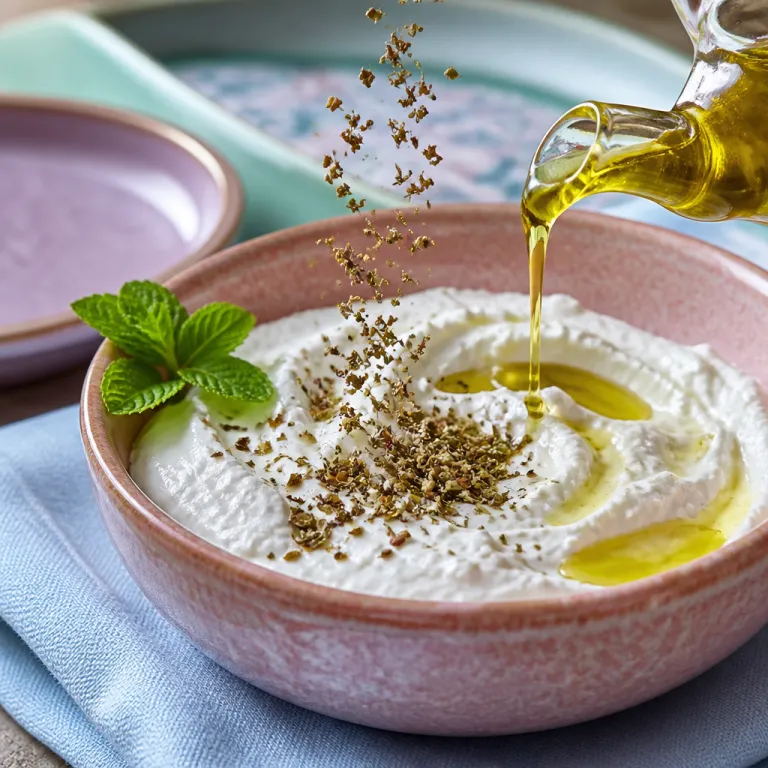
The Israeli hotel breakfast as a daily ritual for families
In Israel, the first meal of the day inside a luxury hotel is not a side note but a quiet daily ritual that can shape the rhythm of a family trip. For many guests, the Israeli hotel breakfast becomes the anchor around which pool time, city walks and kid naps are planned, especially when the breakfast buffet is generous enough to feel like a full Middle Eastern lunch. When you book an upscale property in Israel for a premium family stay, you are not just buying a room but also committing to a specific style of hotel breakfast that can either energise or exhaust you.
Across Israel, from a kibbutz guesthouse in the Galilee to a polished hotel Jerusalem address, the same core grammar repeats itself with different levels of ambition. You will see trays of eggs in tomato sauce for shakshuka, bowls of Israeli salad with tomatoes cucumbers and herbs, plates of cheese and smoked fish, and baskets of fresh bread that invite you to share everything at the table. The question is not whether breakfast is served but whether the dishes feel genuinely fresh, whether the coffee tastes like it was pulled for you rather than for the crowd, and whether the dining room is managed with calm table service or left to fend for itself.
Families quickly learn that a typical Israeli breakfast can be both a pleasure and a logistical puzzle, especially when children want juice fresh and room dessert while parents look for vegetables and protein. A strong Israeli hotel will balance kid friendly options with serious Jewish food traditions, offering simple egg dishes next to pickled fish and smoked pickled herring without turning the buffet into chaos. When you evaluate a hotel breakfast, think like a local family in Jerusalem or Tel Aviv and ask whether the spread respects the land of milk and honey while still working for a six year old who just wants pancakes.
Dan Tel Aviv: the genre defining benchmark for the Israeli breakfast buffet
On the Tel Aviv seafront, the Dan Tel Aviv has long set the standard for what a luxury Israeli hotel breakfast should feel like for both couples and families. The breakfast buffet here is not about theatrical excess but about density of choice, with rows of salads, cheeses, smoked fish and hot dishes that stay surprisingly fresh even at peak hours. For a premium family, this morning meal can replace a separate lunch in Israel, especially when you build plates slowly and let children explore the safer corners of the buffet.
At the Dan, the cold section reads like a masterclass in typical Israeli flavours, with multiple versions of Israeli salad, bowls of tomatoes cucumbers dressed with olive oil, and small plates of pickled fish that actually taste of the sea. Cheese boards are serious, with local goat cheese, soft cow cheese and sometimes smoked cheese, all served alongside crusty bread that feels baked for this specific meal rather than trucked in. The hot line usually includes shakshuka with eggs in tomato sauce, plain egg options for cautious eaters, and a few Middle Eastern stews that make sense for adults who treat breakfast Israeli style as a full meal.
Service matters as much as the spread, and here the dining room team tends to keep coffee cups filled and juice fresh without turning the experience into a performance. Parents will appreciate that staff can arrange simple room dessert plates for children or help carry multiple dishes back to the table when small hands are already full. According to recent guest reviews on major booking platforms, the Dan’s morning service regularly scores above 9/10 for both variety and attentiveness, which helps explain why its dining room has become a reference point for hotel breakfasts in Israel.
Edited luxury: how the Setai, the Norman and others refine the spread
Not every Israeli hotel breakfast needs to look like a cruise ship buffet to feel luxurious, and some of the most interesting experiences in Israel now come from properties that deliberately edit the spread. The Setai and the Norman in Tel Aviv both lean into a smaller breakfast buffet combined with stronger table service, which can be a relief for families who dislike sending children alone into crowded lines. Here, the dining room feels closer to a restaurant than a canteen, with many dishes served directly to your table while a compact buffet handles salads, cheeses and pastries.
At these hotels, you might order eggs any style, shakshuka or an omelette with tomatoes and herbs, while the server brings a tray of Israeli salad, tomatoes cucumbers, olives and fresh bread as a default. Cheese plates are curated rather than piled high, with a few excellent options instead of a dozen average ones, and smoked fish appears in smaller, better controlled portions that stay cold and glossy. Families who care about quality over spectacle often find that this approach to breakfast Israeli style feels calmer, especially when coffee arrives hot, juice fresh is poured at the table, and the room is quiet enough for conversation.
For parents, the advantage is that children can share a central platter of Jewish food classics without wandering, while adults explore more adventurous Middle Eastern dishes like eggplant salads or pickled fish. When the meal is structured this way, the Israeli breakfast becomes closer to a composed tasting of the land of milk and honey than a race through a buffet. Guests often mention in online comments that they spend close to an hour at these tables, treating the experience as a slow, sit down meal rather than a quick stop before sightseeing.
What separates exceptional spreads from coasting ones for premium families
Once you have eaten a few hotel breakfasts in Israel, the difference between an exceptional spread and a coasting one becomes obvious, especially when you travel with children. The strongest Israeli hotel breakfast experiences share three traits, starting with ingredients that taste fresh rather than refrigerated, from the tomatoes in the Israeli salad to the herbs on the eggs. You can feel it when the bread still crackles, the cheese sweats slightly at room temperature and the smoked fish smells clean instead of tired.
Bakery output is a quiet but decisive marker, because a serious hotel in Jerusalem or Tel Aviv will treat croissants, challah and local breads as part of its identity rather than as decoration. Look for pastries that flake, not bend, and for cakes that could pass as a room dessert later in the day, especially when you share them with children back in the room. Salads should be more than a token bowl of tomatoes cucumbers, with multiple variations of Israeli salad, grains, herbs and even Middle Eastern pickles that speak to the land of milk and honey rather than to a generic buffet.
Allergens and kid friendly stations are where many otherwise strong hotels still coast, offering vague labels and sugary cereals instead of thoughtful Jewish food options for gluten free or dairy sensitive guests. The best properties now mark dishes clearly, keep nut free zones separate and offer simple egg dishes, plain yogurt and juice fresh for children who need predictability. When you see this level of care, you know the hotel breakfast is treated as a serious meal for real families, not just as a marketing photo of a breakfast buffet.
Timing, overrated legends and three breakfasts that earn their praise
Even the finest Israeli hotel breakfast can feel ordinary if you arrive at the wrong time, especially in high season when families descend on the buffet at once. In most large hotels in Israel, the spread is at its freshest in the first ninety minutes of service, when eggs are still soft, salads are cold and coffee has not yet turned bitter on the hot plate. By the final hour, you often see tired tomatoes, wilting herbs and smoked fish that has lost its shine, which can make even a well designed breakfast buffet feel like it is coasting.
Guidebooks sometimes elevate certain hotel Jerusalem or Tel Aviv breakfasts to near myth, and two of those legends now feel more about reputation than reality for demanding families. You may encounter sprawling rooms where the Israeli breakfast looks impressive from the entrance but reveals supermarket level cheese, overcooked egg dishes and Middle Eastern salads that taste identical despite different colours. In those cases, the Israeli hotel is leaning on the idea of a typical Israeli spread rather than investing in the land of milk and honey that should define it.
Against that backdrop, three properties consistently earn their praise for breakfast among critics and guests who care about detail. As one recent evaluation on a leading travel site put it, “David Kempinski, Mamilla, and Carlton hotels are highly rated.” These hotels treat the morning meal as a signature experience, with attentive table service, clearly labelled Jewish food options, pickled fish that tastes bright, smoked pickled elements used sparingly and juice fresh that actually tastes of fruit, not syrup.
How to choose and use Israeli hotel breakfasts as a family strategy
For a premium family planning a trip to Israel, the smartest move is to treat the Israeli hotel breakfast as part of your overall itinerary rather than as a free extra. Start by reading recent guest reviews that mention the breakfast buffet in detail, paying attention to comments about freshness, crowding and how allergens are handled. When you see repeated praise for salads, cheese quality, smoked fish and coffee, you are usually looking at a hotel breakfast that will support long days of sightseeing.
Once on site, walk the dining room before you sit, so you can map out where the Israeli salad, hot dishes, room dessert options and kid friendly stations are located. Encourage children to choose one plate at a time, mixing vegetables like tomatoes cucumbers with an egg or two, while adults explore more Middle Eastern flavours such as shakshuka in tomato sauce or pickled fish. This approach turns the Israeli breakfast into a calm, structured meal rather than a chaotic race, and it helps you share the experience as a family instead of splitting up in the crowd.
If you are staying at a kibbutz style property or a smaller Israeli hotel, expect a more modest spread but often very fresh produce that reflects the land of milk and honey around you. In a larger hotel Jerusalem setting, you may trade intimacy for variety, gaining more Jewish food options and better room dessert choices at the cost of some noise. Either way, when you treat the hotel breakfast as a deliberate daily ritual, you give your family a reliable anchor in a country that rewards energy, curiosity and a good meal to start the day.
FAQ
Which Israeli hotels currently offer the most highly rated breakfasts ?
Across Israel, several properties are consistently praised for the quality of their Israeli hotel breakfast, especially by guests who care about both variety and freshness. Recent evaluations highlight the David Kempinski in Tel Aviv, Mamilla near the Old City of Jerusalem and the Carlton on the seafront as standouts for their breakfast buffet and table service. These hotels combine strong salads, serious cheese and smoked fish selections, well prepared egg dishes and attentive coffee service, which makes them reliable choices for premium families.
What dishes are typical in an Israeli hotel breakfast for families ?
A typical Israeli breakfast in a hotel will include multiple salads, especially some form of Israeli salad with tomatoes cucumbers, herbs and olive oil. You can expect eggs in several forms, from simple scrambled egg trays to shakshuka in tomato sauce, along with cheese boards, pickled fish, smoked fish, breads and pastries that can double as a light room dessert later. Many spreads also feature Middle Eastern dips, fresh fruit, juice fresh and coffee, allowing both adults and children to build a substantial meal that can carry them through a long morning of sightseeing.
Are hotel breakfasts in Israel usually open to non guests ?
In many Israeli hotels, the breakfast buffet is open to non residents, although policies vary and reservations are often required at the more popular properties. This can be an excellent way to experience a high level Israeli hotel breakfast in Jerusalem or Tel Aviv without booking a room, especially if you want to compare different spreads before choosing where to stay. Always contact the hotel directly to confirm current access rules, pricing and timing, since demand for these meals can be high among both locals and visitors.
How can families with allergies navigate Israeli hotel breakfast buffets ?
Families dealing with allergies should look for hotels in Israel that label dishes clearly and separate stations for items containing nuts, gluten or dairy. Strong properties will offer simple egg dishes, plain yogurt, fresh fruit and salads without dressings, which makes it easier to build a safe Israeli breakfast plate for children and adults. When in doubt, speak with the dining room manager at the start of the meal, since many Israeli hotels can arrange special plates from the kitchen rather than relying only on the buffet.
When is the best time to eat at a hotel breakfast buffet in Israel ?
The best window for an Israeli hotel breakfast is usually the first half of the service period, when salads are cold, eggs are freshly cooked and pastries have not yet dried out. Arriving early also helps families avoid the busiest rush, which can make it easier to manage children around hot dishes and crowded coffee stations. Late arrivals often face tired tomatoes, wilted herbs and less appealing smoked fish, so planning your morning around an early meal can significantly improve the experience.