Hammam hotel Israel: reading the steam in a land of spas
Ask for a hammam hotel Israel experience and you will quickly learn that not every tiled steam room is created equal. Across Israel, luxury hotel properties have embraced hammam aesthetics, yet only a handful deliver the full wellness ritual with heat ramps, marble slabs and a coherent treatment menu. For a solo explorer, understanding which spa hotel genuinely respects hammam culture will determine whether your bath is transformative or just another pretty room with steam.
Hammam culture in Israeli luxury hotels grew from a broader revival of traditional wellness, where spa treatments began to integrate Ottoman and Moroccan influences into modern spa facilities. Industry commentary and hotel spa brochures indicate that several high-end hotels in Israel now operate Turkish-style steam rooms, and the average duration of a serious hammam session is usually around sixty to ninety minutes, which aligns with the time your body needs to move safely through the heat sequence. When you plan a hammam hotel Israel stay, think of the hammam not as a quick bath but as a structured treatment that sits alongside massages, fitness center sessions and time in the swimming pool.
Clarins Spa at Elkonin Tel Aviv Hotel and L.RAPHAEL Beauty Spa at The Jaffa, a Luxury Collection Hotel, Tel Aviv both illustrate how international spa brands adapt the traditional Turkish bath to the expectations of a luxury hotel guest. In Netanya, Via Maris Spa and its authentic Turkish bath show how a stand-alone luxury spa can rival any forest spa or Carmel Forest–style retreat in terms of ritual depth. Across Israel, from a Dead Sea hotel such as Kayma Hotel Dead Sea to urban addresses in Tel Aviv, the best hammam hotel Israel options now treat the hammam as a core wellness pillar, not a decorative extra beside the outdoor pool or fitness room.
Setai Tel Aviv and the Ottoman stone: when the hammam is the headline act
The Setai Tel Aviv occupies a restored Ottoman-era complex near the Jaffa harbor, and its hammam is the rare case where the stone, the arches and the heat all work in concert. Here, the spa hotel design places the Turkish bath at the emotional center of the wellness journey, with treatment rooms radiating from the main hot chamber like quiet cells repurposed for pleasure rather than punishment. Solo travelers who enjoy architectural narrative will feel the history in every bath hammam session, especially when the therapist guides you from warm room to hotter room before the main scrub.
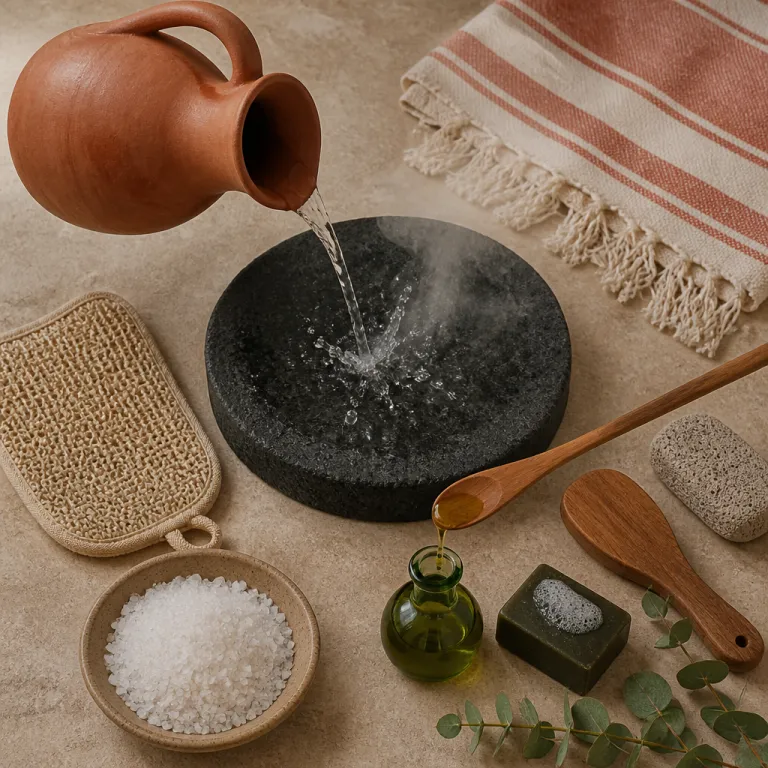
In this hammam hotel Israel reference point, the proper sequence matters more than the décor, and the therapists are trained to pace your body through steam, gommage, soap and rinse without rushing. You begin with a warm bath–like soak on the heated stone, then move into a vigorous body exfoliation using natural sponges and olive oil soap, followed by a cascade rinse that leaves the skin ready for further spa treatments such as a Swedish massage or targeted massages for the back and legs. The treatment menu usually offers solo pricing for hammam time blocks of sixty to ninety minutes, and you can add extra treatments in adjacent treatment rooms if you want to extend the wellness arc.
Booking windows at the Setai Tel Aviv are not a formality, because the best water and stone temperature balance tends to happen in the mid-morning and early evening slots when the spa facilities are less crowded. If you reserve a hammam hotel Israel stay here, ask the spa équipe which hours they recommend for solo guests spa use, and request a therapist who is confident with traditional hammam techniques rather than generic spa protocols. For a deeper dive into how luxury spa hotels in Israel are redefining wellness, the guide to immersive luxury spa hotels in Israel offers useful context on how hammam culture sits alongside pools, fitness and broader wellness programming.
Steam in the city: W Tel Aviv, David Citadel and the art of modern ritual
Urban hammam hotel Israel choices often come down to how seriously a property treats steam wellness compared with its rooftop bar or infinity pool. W Tel Aviv leans into design-led steam rooms that photograph beautifully, while The David Citadel Hotel in Jerusalem tends to frame its hammam-style spaces as part of a more classical spa hotel environment with clear attention to ritual. For a solo explorer, the question is simple: do you want a theatrical bath experience or a structured wellness sequence that respects hammam tradition.
At properties that follow the David Citadel approach, the hammam sits alongside a proper fitness center, a lap-friendly swimming pool and a quiet fitness room, and the spa treatments are scheduled to allow your body to cool gradually after the heat. You might move from the bath hammam to a relaxation area with a city panorama, then into a Swedish massage or targeted massages, and finally to a light meal before returning to your room. In this style of hammam hotel Israel, the spa facilities are calibrated for guests spa comfort, with staff monitoring water temperature, stone heat and humidity so that each treatment feels intentional rather than improvised.
By contrast, some design-forward hotels in Tel Aviv and Herzliya offer steam rooms that borrow hammam language without delivering the full ritual, which can still be enjoyable if you treat them as pre-swim warm ups before the outdoor pool. If you are considering a Carmel Forest–style escape, the dedicated Carmel Forest spa resort guide shows how a true forest spa integrates hammam-inspired heat with nature, silence and long-form wellness stays. Whether you choose Tel Aviv, Jerusalem or the Carmel Forest region, the key is to read the treatment menu carefully and look for explicit references to traditional hammam steps rather than vague steam experiences.
How to use a hotel hammam properly: sequence, timing and solo pricing
Many travelers book a hammam hotel Israel stay without understanding that a hammam is not just a hot room but a codified ritual. A traditional sequence begins with a warm-up phase in a mildly heated room, followed by a move to a hotter chamber where your body starts to sweat deeply, and only then does the therapist perform the gommage scrub, soap massage and final rinse. When hotels respect this order, the hammam becomes a powerful wellness tool rather than a decorative add-on beside the pool.
From a practical perspective, solo pricing for hammam time blocks in Israel usually mirrors other high-end spa treatments, with a base rate for a sixty-minute session and supplements for extended ninety-minute rituals or add-on massages. You will often see packages that combine a bath hammam with a Swedish massage, or a hammam plus access to the fitness room, outdoor pool and swimming pool for the day, which can be excellent value if you plan to enjoy the full spa facilities. In any serious hammam hotel Israel property, ask whether the hammam is shared or reserved as a private room for solo guests, because privacy can significantly change how relaxed you feel during the scrub and rinse stages.
Timing matters more than most hotel brochures admit, because stone and water temperatures fluctuate with usage and staff attention. Aim for midweek mornings or late evenings when the spa hotel is quieter, and confirm with the équipe that the hammam will be fully heated at your chosen hour rather than just switched on as you arrive. For a broader sense of how Israeli hotels are elevating their wellness and dining game in tandem, the feature on Israeli hotel restaurants as standalone destinations shows how the best luxury hotel teams now think of spa, fitness and gastronomy as one continuous guest journey.
The hits, the misses and the faux hammams you can skip
Not every hammam hotel Israel option deserves your time or your shekels, and the gap between marketing and reality can be wide. Some properties in the coastal belt operate what can only be called faux hammams, where a generic steam room with cold tiles is rebranded as a Turkish bath without any marble slab, heat gradient or structured treatment. These spaces may sit next to a pleasant pool or fitness center, yet they lack the soul and sequence that make hammam culture meaningful.
By contrast, places such as Elkonin Tel Aviv Hotel with its Clarins Spa, The Jaffa Hotel with L.RAPHAEL Beauty Spa, Via Maris Spa in Netanya and Kayma Hotel Dead Sea have invested in real hammam infrastructure and training. Their therapists understand that a hammam treatment is a full body journey, and they use tools such as natural sponges, olive oil soap and hot stones to echo traditional methods while still operating within a modern luxury hotel framework. As one reference guide puts it succinctly: “What is a hammam? A traditional steam bath common in Muslim societies. Are hammam treatments available in Israeli hotels? Yes, several luxury hotels offer hammam experiences. What should I expect during a hammam session? Steam bath, body scrub, and massage.”
When you evaluate hammam hotel Israel options, look beyond the word spa and ask specific questions about treatment rooms, guests spa capacity and how many minutes are allocated to each stage of the ritual. A serious property will be transparent about its spa treatments, its fitness room and fitness center access, and whether the hammam is maintained at consistent temperatures throughout the day. In a landscape that also includes global names such as The Ritz-Carlton, Herzliya, plus regional retreats that echo the Carmel Forest model, the most rewarding choice will be the hotel that treats its hammam as a living cultural practice rather than a marketing adjective.
Mapping your hammam journey across Israel: from Herzliya to the Dead Sea
Planning a hammam hotel Israel itinerary as a solo traveler means thinking in arcs rather than isolated nights. You might start in Tel Aviv with an urban spa hotel that offers a strong hammam, move up the coast to Herzliya for a stay near the marina and its Herzliya spa scene, then continue north or inland toward a forest spa or Carmel Forest–style retreat for deeper quiet. Each stop adds a different layer of wellness, from city energy and rooftop pools to pine-scented air and long walks between treatments.
In Herzliya, international brands such as The Ritz-Carlton have raised expectations for what a luxury hotel spa should offer, even if not every property runs a full-scale Turkish bath. Here, the focus often falls on a refined guests spa experience with a heated swimming pool, a well-equipped fitness center and a calm fitness room, while hammam elements appear as part of broader spa treatments rather than standalone rituals. When you combine a Herzliya stay with time at a Dead Sea hotel like Kayma Hotel Dead Sea, the contrast between saltwater flotation, bath hammam heat and body massages creates a powerful wellness panorama that feels uniquely tied to Israel.
Throughout this journey, your hotel room becomes more than a place to sleep; it is the recovery zone between heat, cold and movement. Choose rooms with quiet exposure and, where possible, a view that reinforces the wellness narrative, whether that is a city panorama in Tel Aviv, a marina outlook in Herzliya or a green horizon near the Carmel Forest. If you approach hammam hotel Israel planning with this level of intention, each bath, each treatment and each pool session will feel like part of a coherent ritual rather than a series of disconnected spa moments.
FAQ
What exactly is a hammam in an Israeli luxury hotel context ?
In Israeli luxury hotels, a hammam is usually a steam-based wellness space inspired by Ottoman and Moroccan traditions, built with heated stone benches or slabs. The most serious hammams follow a structured sequence of warming, scrubbing, soaping and rinsing, often using natural sponges and olive oil soap. When you see a simple tiled steam room without a clear ritual, you are likely looking at a generic sauna or steam cabin rather than a true hammam.
How long should a proper hammam session last when I book ?
A well-designed hammam session in Israel typically lasts between sixty and ninety minutes, which allows enough time for your body to adjust to the heat and for the therapist to perform a full scrub and rinse. Shorter thirty-minute slots can feel rushed and often skip key stages of the ritual. When you book, ask the spa équipe how much of the session is dedicated to heat, how much to gommage and how much to post-treatment rest.
Are hammam treatments widely available in Israeli hotels ?
Several luxury hotels across Israel now offer hammam treatments, especially in Tel Aviv, Jerusalem, Herzliya, Netanya and the Dead Sea region. Some properties run fully operational Turkish bath facilities with marble slabs and dedicated treatment rooms, while others offer lighter steam-based experiences as part of a broader spa menu. Always read the treatment descriptions carefully and, if in doubt, call the spa to clarify how traditional their hammam practice really is.
What should I expect during my first hammam session as a solo traveler ?
During a first hammam session, you can expect to move from a warm room into a hotter steam chamber, lie on a heated stone or bench, and receive a vigorous body scrub followed by a soap massage and thorough rinse. Therapists usually provide disposable undergarments or ask you to wear a swimsuit, and they will guide you through each step so you never feel lost. After the treatment, you will be encouraged to rest, hydrate and allow your body temperature to normalize before returning to the fitness center, pool or your room.
How do I choose between city hammams and forest or Dead Sea retreats ?
City hammams in places like Tel Aviv and Herzliya work well if you want to combine wellness with nightlife, dining and culture, and they often sit within spa hotels that emphasize design and convenience. Forest and Dead Sea retreats, including Carmel Forest–style properties, are better suited to longer stays where hammam rituals, massages and time by the swimming pool form the core of your day. The right choice depends on whether you see the hammam as a highlight within a busy city trip or as the main reason for traveling to Israel.